


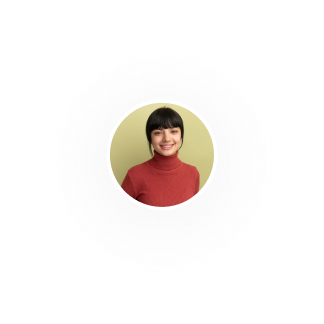

Public
Who am I to the world?
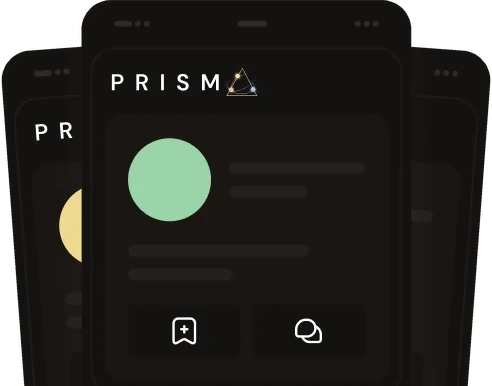
Your discovery identity in the Field: what anyone can see when you choose to be discoverable. Your deeper profiles and relationships remain contextual and private.
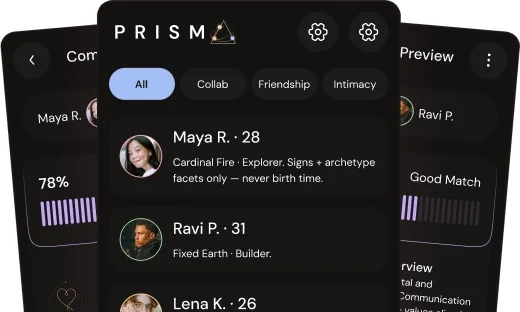
Understand your relationships through Vedic astrology, translated into everyday insight. Explore Love, Friendship, and Build — without the follower game.
Add any profile photo, invite your person, and propose a relationship label to them. Once they join and accept that label, your Beta signup becomes Founder with lifetime Premium, while spots remain.
You and a friend, sibling, parent, partner or co-founder. Join the closed beta together, test PRISMA and help shape what comes next.
After this campaign, new access closes and we launch our Kickstarter campaign to build the next chapter.
Add your profile picture and begin your own reading. A photo is required to become a founder.
Use Invite to create a ghost profile for a friend, sibling, parent or collaborator. Share their link or QR code.
With your profile picture added and their profile activated, you — the inviter — unlock lifetime premium, while founder spots remain.
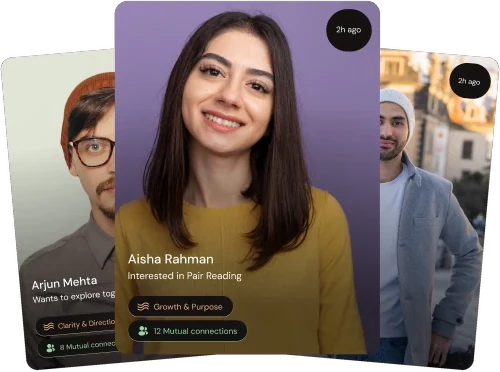
In the Field, explore public bios, shared interests and music taste in one card. Your reading adds a different perspective on how you relate.
Public discovery is optional. You choose which parts of yourself to share.
Explore how PRISMA works →People in the Field
Meet members here once they accept an invitation to share their public profile.
“It explained a 10 year friendship better than 10 years did.”
Facebook, dating apps, and LinkedIn each hold a fragment of a person. PRISMA keeps one human intact, and lets the right face open as the relationship context changes.
Public
Your discovery identity in the Field: what anyone can see when you choose to be discoverable. Your deeper profiles and relationships remain contextual and private.
Love
The intimate face: emotional pace, romantic chemistry, trust, friction, and repair when the bond goes deep.
Friendship
Everyday belonging: who you enjoy sharing life with, how the social rhythm works, and what sustains the bond.
Build
Collaboration and creation: working style, shared ambition, decision rhythm, and long-term alignment on projects.
No public feed. Identity access follows relationship context, so discovery stays intentional, and deeper faces stay earned.

Private messages
End-to-end encrypted
Your Public face shows in the Field until you hide it. Love, Friendship, and Build unlock with relationship context, not a settings maze.
Your relationships aren’t ranked, amplified, or optimized for attention. There are no follower counts, viral feeds, or endless scrolling, only the people you’ve chosen to keep close.
A friend isn’t the same as a partner. A collaborator isn’t the same as family. Each connection unlocks the face that fits, instead of one flattened public identity.
We’re growing intentionally, not as fast as possible. New members are welcomed in waves, with founding members and earlier waitlist signups receiving priority.
No. PRISMA is a private social network for relationships. Vedic mathematics power the intelligence layer underneath, but what you see is plain psychology: attraction, friction, trust, repair, and shared direction. Charts stay optional.
Public, Love, Friendship, and Build are four contextual representations of the same person, not four accounts. Strangers may see your Public face in the Field unless you hide from it. Deeper faces unlock as the relationship context deepens.
Your private relationship map is a reflection tool for you. Nothing is published to a feed. Lens-specific photos and bios only unlock after an accepted connection.
You can still begin. PRISMA is explicit about confidence and only uses the layers your birth information can support.
You can create your account for free. During the founding campaign, add your own profile picture, create a ghost profile and invite someone. Once any profile photo is added, they activate their profile, and they approve a relationship label you propose to them, your Beta signup becomes Founder with lifetime Premium while spots remain. The benefit belongs to the inviter; accepting an invitation alone does not make someone a founder.
The first 500 activated founders and their invited members form our closed beta. After this campaign, new access closes and we launch our Kickstarter campaign. See the roadmap for the planned Q4 2026 launch and 2027 milestones.
A clear path from early access to a richer experience for deeper connections.
Build early momentum, validate the product, and grow our founding community
Launch PRISMA as a real mobile product
Make the experience easier, cleaner and more connected
Make it substantially easier for people to find each other.
Give people places to connect beyond one-to-one relationships.
Explore 13 relationship dynamics: where you connect, where you clash, and what you can build together.
Add any profile photo, invite your person, and propose a relationship label. When they join and accept the label, you become a Founder with lifetime Premium while spots remain.
No credit card. Public by choice. Delete your data anytime
Add any profile photo, invite your person, and propose a relationship label to them. Once they join and accept that label, your Beta signup becomes Founder with lifetime Premium, while spots remain.
You and a friend, sibling, parent, partner or co-founder. Join the closed beta together, test PRISMA and help shape what comes next.
After this campaign, new access closes and we launch our Kickstarter campaign to build the next chapter.